A team uniform order, without the guesswork.
Six straightforward steps to turn a clothing list into a clearer enquiry.
1. Start with roles, not just headcount.
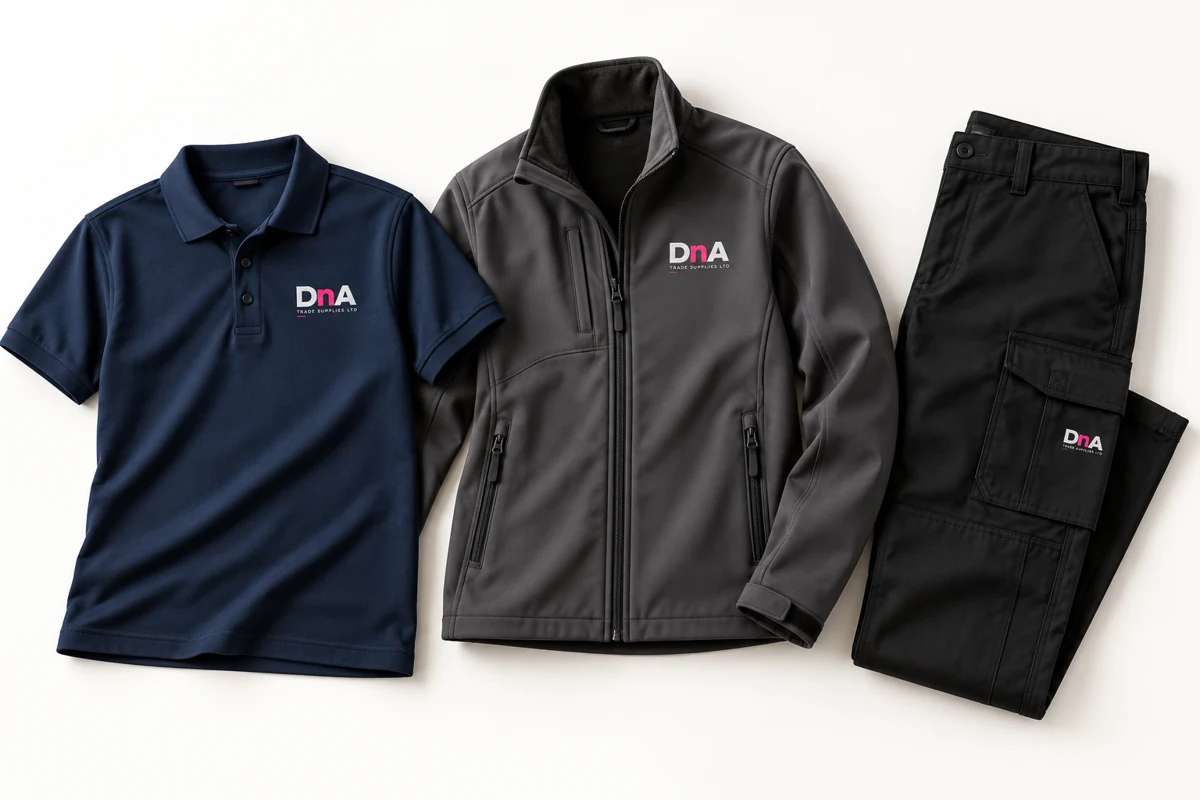
Write down who needs clothing and what their working day involves. Reception, warehouse and outdoor teams may share colours and branding while needing different garments. Include movement, layers, pockets, footwear and any role-specific clothing requirements.
Keep it practical.
Pick a small core wardrobe first: an everyday top, a warmer layer and suitable trousers. Add specialist pieces where the role calls for them.
2. Work out the quantity for each person.
Consider days worked, the washing routine and how often a fresh uniform is needed. Set the allocation by garment rather than giving every item the same quantity. Decide separately whether you need spare items or an allowance for new starters.
12 people × 3 polos = 36 polos.
If the same team needs one fleece each, that is another 12 garments. Add any agreed spares as a separate line. This is an example, not a recommended allocation or bundle price.
3. Collect sizes against the chosen style.
Record each garment’s colour, fit, size and quantity. For trousers, include waist and leg length where relevant. Do not assume a familiar size label will fit the same across different styles. Review the size information for the proposed item and ask about samples if fit is uncertain.
You can start an enquiry before every size is known. Use the option to confirm the size breakdown later, then check the complete list before ordering.
4. Agree the branding once.
Keep your logo file, preferred positions and any names or department variations together. State which items should be plain. Discuss embroidery or print around the actual garment and artwork, then check the proposed layout before production.
Compare embroidery and print →5. Give a required date and a clear delivery brief.
Explain when the team needs to wear the clothing, the delivery area and whether the order is for one site or several. Ask for availability, artwork approval steps and the proposed timescale to be confirmed. A required date in an enquiry is not a delivery booking.
When comparing quotes, check the garments, quantities, decoration, setup, delivery and applicable taxes together. A lower unit price may cover a different specification or omit part of the job.
6. Keep a record for next time.
Retain the agreed garment details, colours, size breakdown, artwork version and decoration positions. For a repeat enquiry, share that record and explain what has changed. Availability and specifications still need checking; a previous order does not guarantee an identical item will remain available.
A quick check before you enquire.
0 of 6 checked
A planning checklist only. Ticks are not saved or sent.
Start with your team’s essentials.
Explore product details and add colours, sizes and branding preferences to your enquiry.
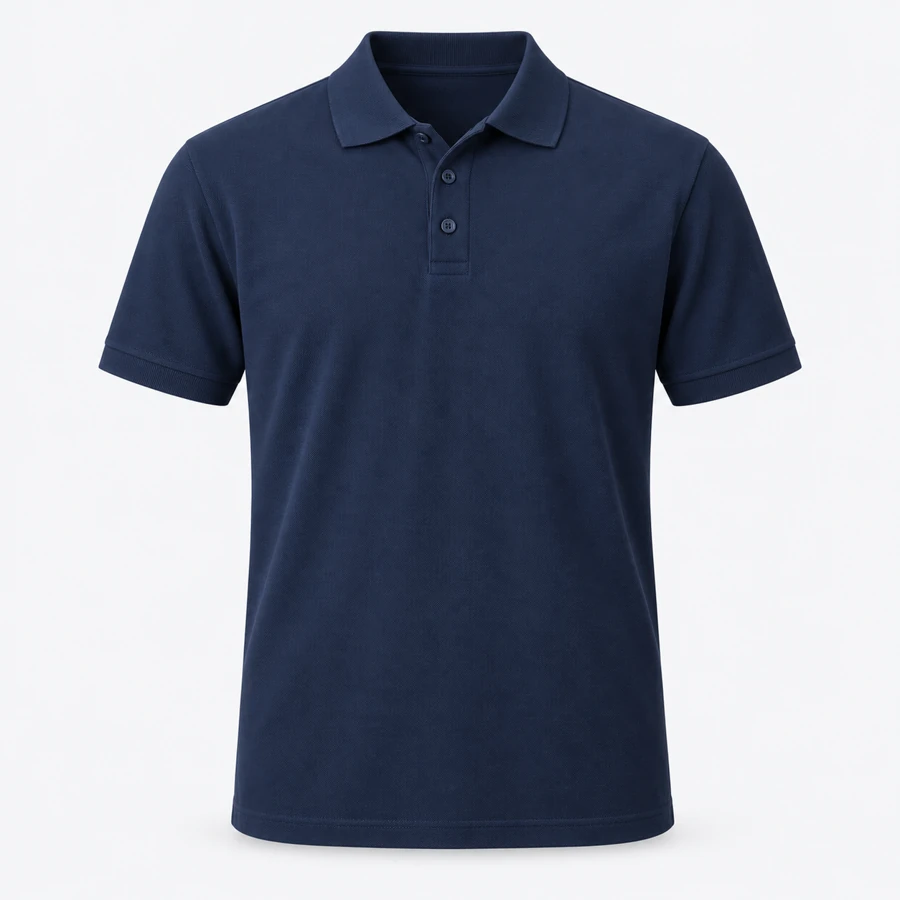
Classic polo
A collared everyday uniform that works across reception, delivery and warehouse teams.
More details →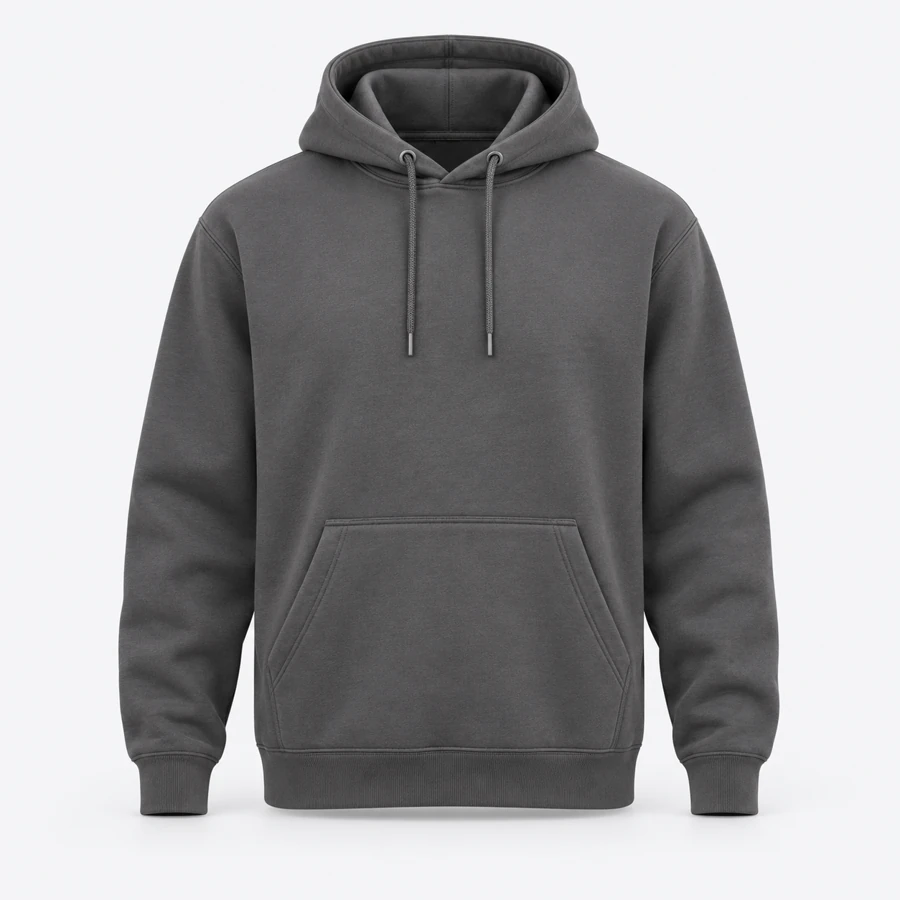
Heavyweight hoodie
A substantial pullover layer for informal uniforms and cooler days.
More details →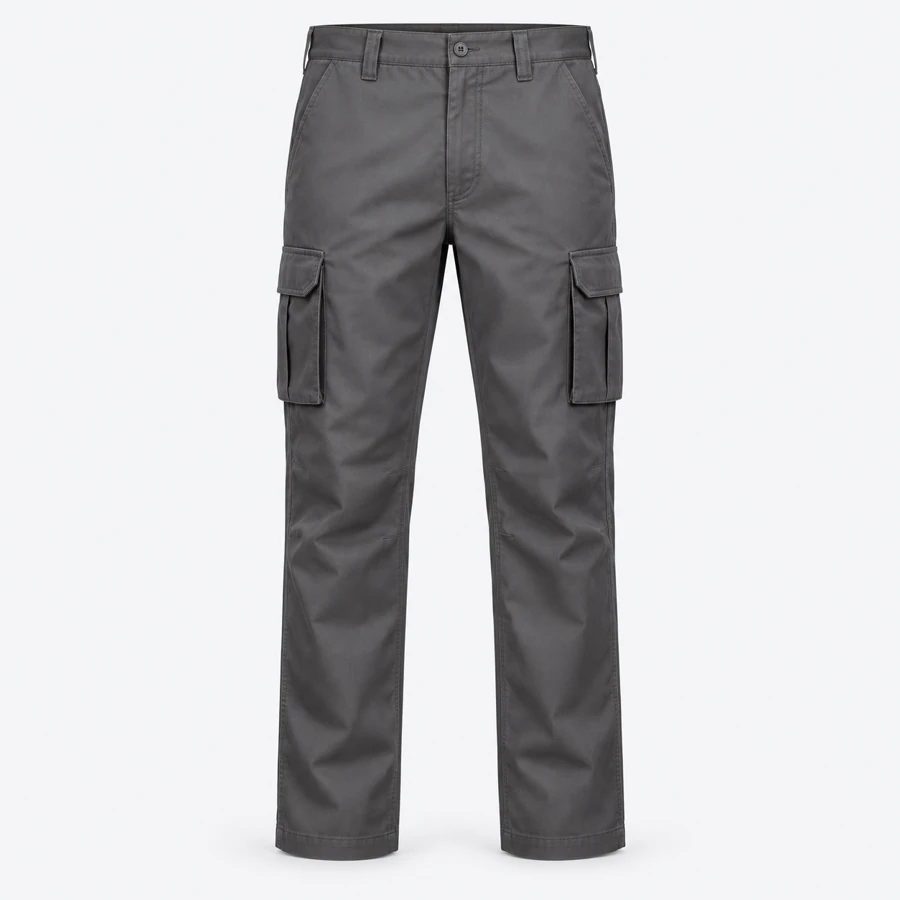
Cargo work trousers
A practical trouser style with extra pocket space for everyday work essentials.
More details →You don’t need every answer to start.
Tell us what you know. We’ll help you work through the garment and branding details.